

Understanding, Preventing, and Living Well with Diabetes
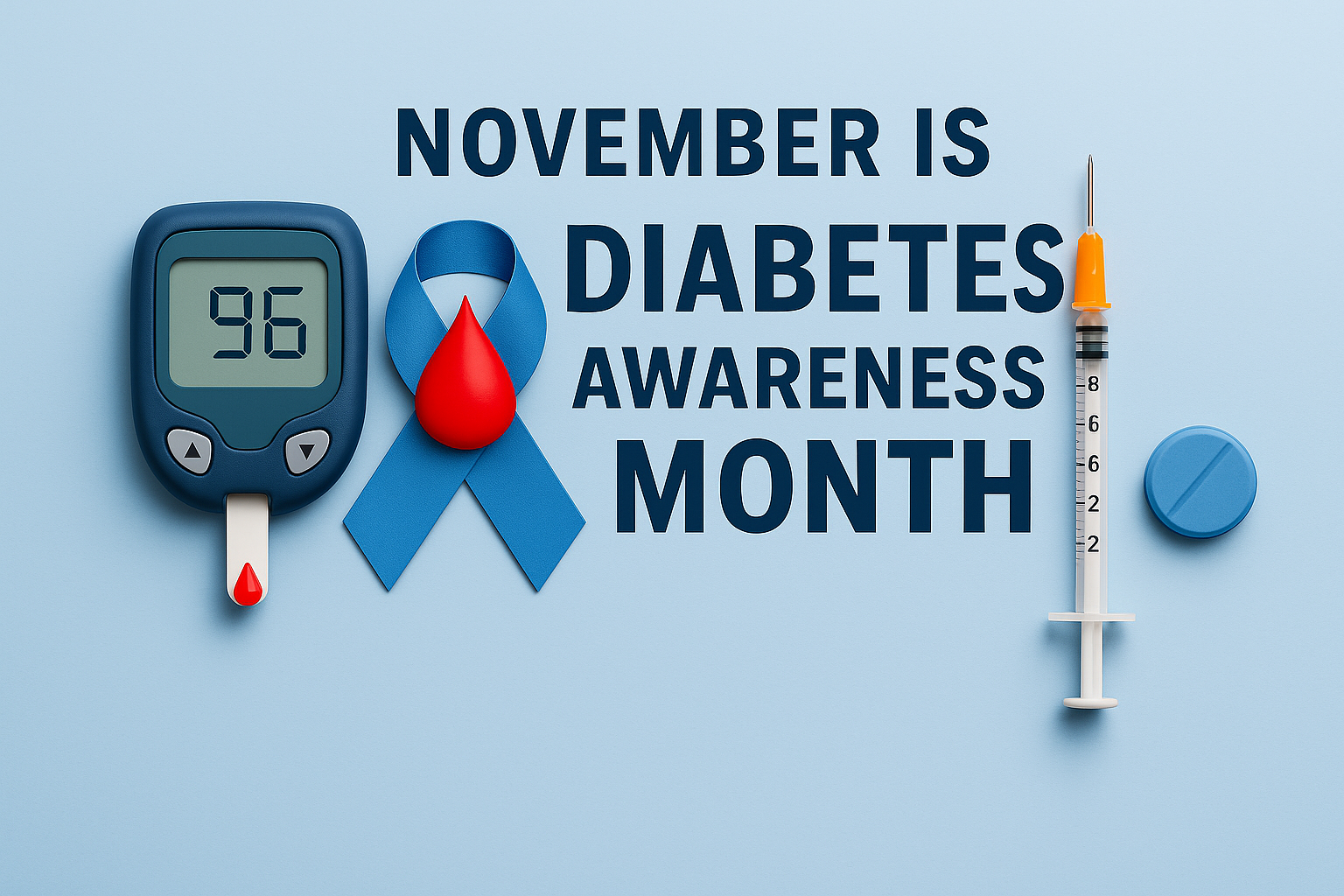
November marks National Diabetes Awareness Month, a powerful opportunity to learn, reflect, and take action toward healthier living. Diabetes affects more than 38 million Americans, yet with knowledge, prevention, and consistent care, it is possible not only to manage but to thrive.
Understanding Diabetes
Diabetes occurs when the body cannot effectively regulate blood glucose (sugar) levels. The hormone insulin, produced by the pancreas, helps move glucose into cells for energy. When insulin is insufficient or ineffective, glucose builds up in the bloodstream, leading to short- and long-term complications.
Types of Diabetes
Type 1 Diabetes: An autoimmune condition in which the body attacks insulin-producing cells. It usually appears in childhood or adolescence and requires lifelong insulin therapy.
Type 2 Diabetes: The most common type, often related to genetics, weight, and lifestyle. The body becomes resistant to insulin or doesn’t produce enough.
Gestational Diabetes: Develops during pregnancy and typically resolves after birth, but increases the future risk of Type 2 diabetes for both mother and child.
Prediabetes: A condition where blood sugar levels are higher than normal but not yet in the diabetic range. Over 98 million U.S. adults are estimated to have prediabetes, and most don’t know it.
Risk Factors to Know
You may be at higher risk for Type 2 diabetes if you:
Are overweight or have a BMI > 25
Lead a sedentary lifestyle
Have a family history of diabetes
Are over 45 years old
Are of African American, Hispanic/Latino, Native American, or Pacific Islander descent
Have a history of gestational diabetes or delivered a baby over 9 lbs
Have high blood pressure, high cholesterol, or polycystic ovarian syndrome (PCOS)
Screening Recommendations
Early detection saves lives. According to the American Diabetes Association (ADA):
Adults aged 35 and older should be screened at least every 3 years.
Those with risk factors (including overweight, family history, or certain ethnic backgrounds) should be screened earlier and more frequently.
Pregnant individuals should be screened for gestational diabetes between 24 and 28 weeks of pregnancy.
A1C, fasting plasma glucose, or oral glucose tolerance tests are common screening methods.
If you have prediabetes, annual testing is recommended.
Prevention Tips: Small Steps, Lasting Change
Type 2 diabetes prevention starts with everyday choices. Even modest improvements can reduce risk by more than 50 percent.
Move with purpose: Aim for 150 minutes of moderate physical activity each week (e.g., brisk walking, swimming, or dancing).
Eat for balance: Focus on whole grains, lean protein, healthy fats, fruits, and vegetables. Limit processed foods and sugary beverages.
Maintain a healthy weight: Losing even 5-7% of body weight can significantly lower risk.
Know your numbers: Monitor blood pressure, cholesterol, and blood sugar regularly.
Sleep well: Poor sleep affects hormone regulation and glucose control.
Manage stress: Chronic stress raises cortisol, which can elevate blood sugar. Mindful breathing, journaling, or gentle stretching can help restore balance.
Living Well with Diabetes
For those already diagnosed, thriving with diabetes means building a supportive, informed care plan:
Partner with your healthcare team: Regular follow-ups, medication adherence, and open communication are essential.
Monitor your glucose: Check levels as recommended and understand how food, stress, and activity influence your readings.
Plan your meals: Aim for consistency in carbohydrate intake; learn label reading and portion control.
Stay active: Movement improves insulin sensitivity and overall wellbeing.
Prioritize preventive care: Annual eye exams, foot checks, dental visits, and vaccinations are vital to avoid complications.
Lean on support: Diabetes education programs and peer groups can make a meaningful difference.
Remember, diabetes management isn’t about restriction; it’s about awareness and empowerment.
Reflection for the Month
As we honor National Diabetes Awareness Month, consider this gentle invitation to pause and reflect:
When was your last screening?
How can you move your body or nourish it more mindfully this week?
What one change can you sustain that supports long-term wellness?
Awareness is the first step, but consistent reflection and small action turn awareness into health. At Michelle Brown NP, I believe that education, compassion, and presence transform care, from the clinic to everyday life.
Resources
Michelle Brown, NP
Board-Certified Nurse Practitioner | Educator | Patient Advocate
Together, let’s grow in health and knowledge.
